
New Archive Test
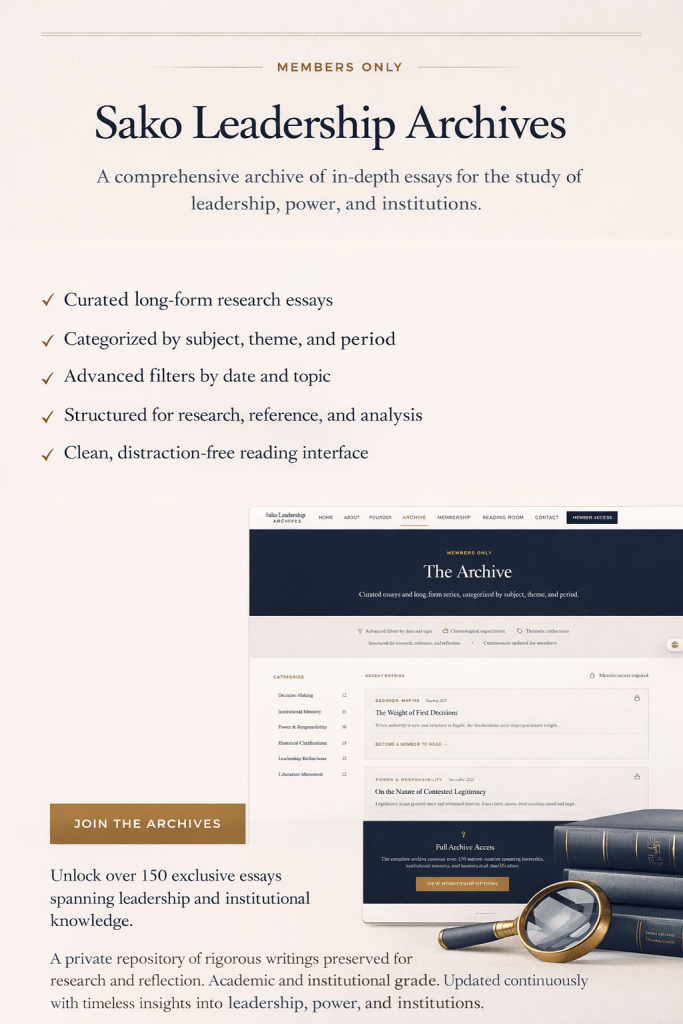
Archiving refers to the process of preserving records that are no longer in active use but remain valuable for legal, historical, or administrative purposes. Below are samples of common archival periods and thematic structures. Archive Periods Archival periods are often defined by Data Retention Policies or chronological milestones: Yearly/Annual Archives: Creating a distinct archive for every calendar year (e.g., 2023, 2024) to manage high volumes of news, events, or fiscal records. Decadal/Milestone Archives: Grouping records by significant eras or project lifecycles (e.g., “1995–2011 Development Phase”). Retention-Based Periods: Storing data for specific durations—such as 7 years for tax records or 90 days for unused digital templates—before permanent storage or deletion. Archive Theme Samples Themes organize archives by subject matter or functional category to ensure accessibility: Sector-Based: Categorizing by industry or department, such as Energy (E-1-dat), Waste (W-1-dat), or Finance. Historical & Educational: Using visual themes like “Vintage,” “Antique Papyrus,” or “Decolonization” for academic presentations and museum heritage projects. Functional/Administrative: Organized by document type, such as “Contracts and Proposals,” “Legal and Compliance,” or “HR eProfile”. Personal Archives: Collection-based themes ranging from a person’s record collection to life-event documentation like receipts or letters. For digital platforms, Archive Templates are used to standardize how these groups of posts or data are displayed to users.